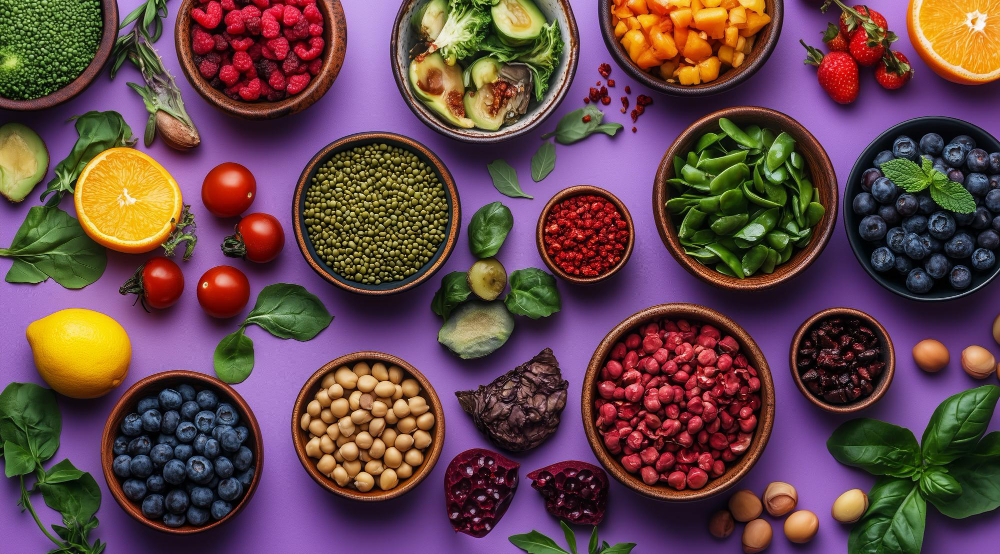
 Anti-nutrients are naturally occurring compounds in plants that can block the absorption of beneficial vitamins, minerals, and nutrients, essentially reducing their bioavailability. Anti-nutrients show up in our healthiest foods, like whole grains, legumes, nuts,...
 Many people struggle with sleep, with roughly 1 in 3 getting too little each night. And up to 70 million Americans experience ongoing sleep disorders like insomnia, which is characterized by trouble falling or staying asleep. And yet, functional sleep is a crucial...
 Given the massive role that diet plays in chronic inflammation, paying attention to what you eat is the safest and most logical approach to reducing this dangerous condition in your body―and consequently, your risk of many inflammation-driven issues, from heart...
 Losing weight can be hard to achieve and even harder to maintain, as body weight is regulated through complex hormonal, neural, and metabolic mechanisms that are under the influence of many environmental factors and internal responses. Adding to this complexity, the...
 Dysbiosis is an imbalance in your body’s microbial communities, or gut microbiota, in which harmful microbes outnumber beneficial ones. If not addressed, this condition can lead to reduced microbial diversity and impaired function, which in turn promotes...
 Originally discovered in human semen, spermidine is a naturally occurring polyamine in the human body. Polyamines are essential organic molecules found in all living cells, characterized by multiple amino groups. Spermidine is produced via the collective metabolic...

