
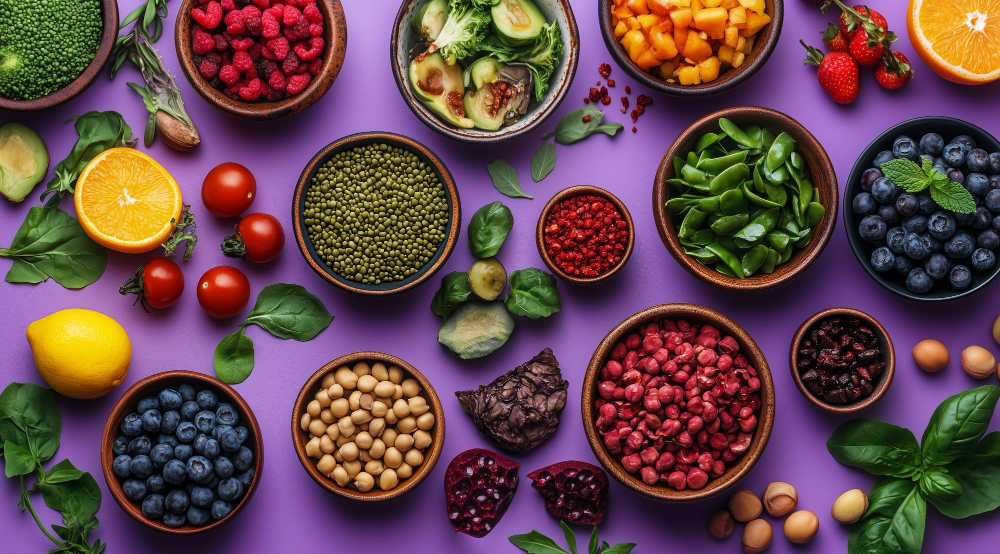
Anti-nutrients are naturally occurring compounds in plants that can block the absorption of beneficial vitamins, minerals, and nutrients, essentially reducing their bioavailability.
Anti-nutrients show up in our healthiest foods, like whole grains, legumes, nuts, seeds, and some vegetables, where they serve as a defense mechanism for plants against pests. These anti-nutrients include:
Phytic Acid – Found in whole grains, seeds, nuts, and legumes, this anti-nutrient reduces absorption of iron, zinc, calcium, and magnesium.
Lectins – In legumes, grains, and nuts, lectins can interfere with calcium, zinc, iron, and phosphorus absorption.
Oxalates – In spinach, rhubarb, beets, and chard, these bind to calcium, preventing its absorption.
Tannins – In tea, coffee, and legumes, tannins impair normal protein and mineral absorption.
Glucosinolates – In cruciferous vegetables such as broccoli, cabbage, radishes, arugula, etc. these can affect thyroid function.
To maximize nutrient absorption with your meals, you can disable anti-nutrients through soaking, blending, sprouting, or cooking.
Raw Kiki Wellness Newsletter: Your Healthy Life.
Unlock the secrets to vibrant living with Raw Kiki Wellness—subscribe to "Your Healthy Life Newsletter" and transform your wellness journey today! 🌿✨
