 Have you heard about the new 2025-2030 Dietary Guidelines for Americans (DGAs)? According to the Physician’s Committee for Responsible Medicine (PCRM), 8 out of the 9 authors of the report justifying these guidelines received compensation or research funding from...
 As you learned in Cultured Foods―Defined, naturally fermented or “cultured” items rely on beneficial microbes, or “good” bacteria, which transform the food over time, improving it nutritionally in many ways. One research study exploring the dynamic microbial ecology...
 Are you familiar with cultured foods? These include items like Asian miso, sauerkraut, kimchee, yogurt, kefir, kombucha, and more. Cultured or fermented foods use beneficial microbes―“good” bacteria/yeast―which work naturally over time to break down sugars, forming...
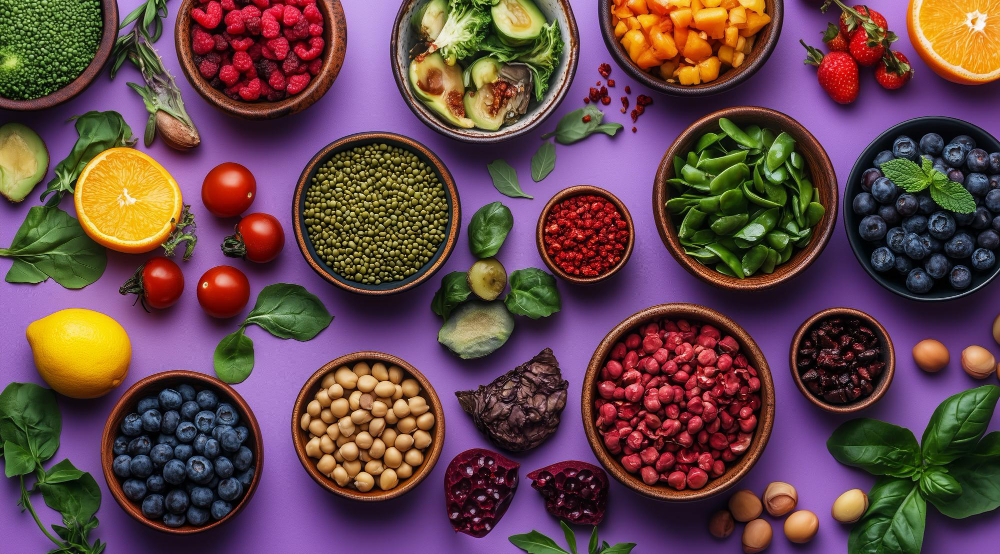 Anti-nutrients are naturally occurring compounds in plants that can block the absorption of beneficial vitamins, minerals, and nutrients, essentially reducing their bioavailability. Anti-nutrients show up in our healthiest foods, like whole grains, legumes, nuts,...
 As you learned in Can Certain Foods Reduce Belly Fat, no single food “burns” belly fat alone. However, there is strong evidence that a daily menu featuring plant-based foods, particularly those rich in protein, helps to minimize the chronic inflammation that promotes...
 Given the massive role that diet plays in chronic inflammation, paying attention to what you eat is the safest and most logical approach to reducing this dangerous condition in your body―and consequently, your risk of many inflammation-driven issues, from heart...

