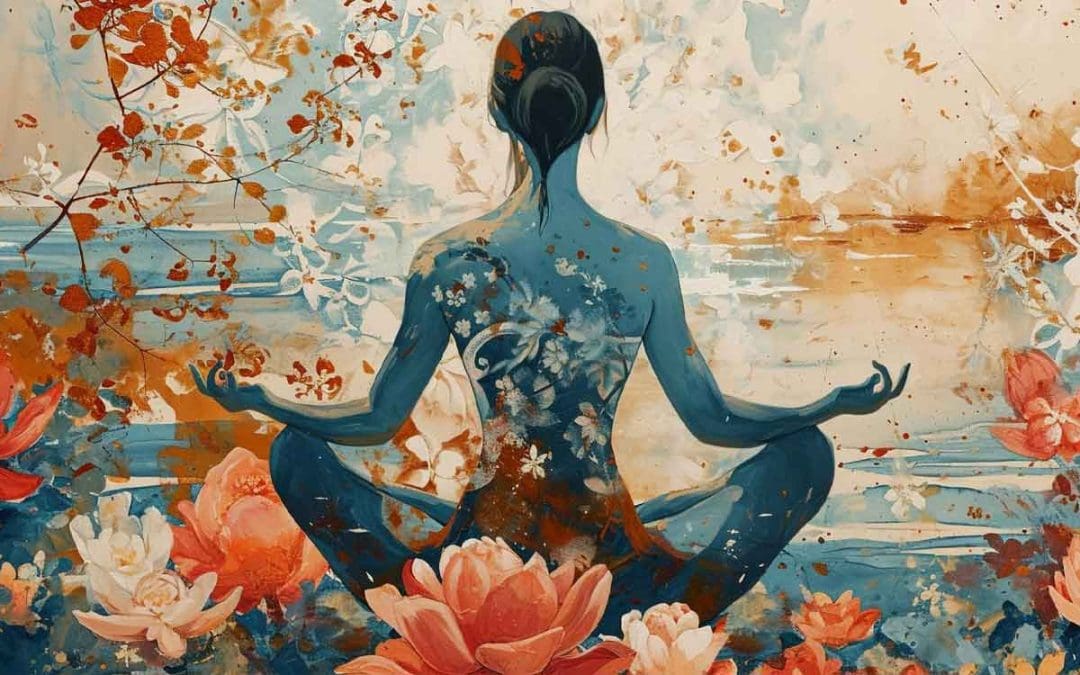
If you are new to yoga or want to expand your understanding of this ancient practice, you are in the right place to learn and benefit:
What is yoga?
The word “yoga” derives from a Sanskrit term meaning “to yoke” or “to unite.” It’s a highly appropriate term since yoga is predicated on the notion of harmoniously uniting your mind, body and spirit. While we in the West think of yoga as mainly a type of exercise, with classes consisting of various poses or asanas, this is only one element of yoga practice, which might be described as a physical, mental, and emotional system for living in harmony with the universe as we know it.
How can yoga help you physically?
Yoga promotes physical health in a variety of ways, starting with increasing strength, balance, and flexibility. A slower tempo of movements, accompanied by deep breathing, or ‘pranayama’ in Sanskrit, increase blood flow, warming the muscles, and making it safe to hold stretching poses that also build strength.
How can yoga support you mentally?
Along with improving balance, flexibility, range-of-motion, and strength, combining physical poses and mindful breathing has psychological benefits as well. Though everyone will differ in their experience, yoga has been shown to release of “feel-good” messenger chemicals in the brain, including dopamine, serotonin, and norepinephrine. As a result, regular practice can help alleviate feelings of stress and increase a sense of overall wellbeing.
How does yoga benefit you emotionally?
A consistent practice includes many emotional benefits, including stress relief, an ability to better manage feelings of anxiety, enhanced emotional regulation, and a sense of improved mood and well-being. Yoga helps to nourish a sense of mindfulness, encourages self-compassion, and promotes feelings of inner peace given the all-encompassing, mind-body-spirit connection, leading to a more balanced and resilient emotional state.
Is yoga safe for everyone?
Yoga is one of the safest forms of physical activity available for healthy people when performed under the guidance of a qualified instructor. As with any form of physical activity, minor injuries can occur, especially if poses are done improperly. However, serious injuries are rare. In fact, when aligned with an individual’s personal level of health and physical ability, yoga has been shown over thousands of years to be as safe as it is beneficial for people of all ages.
How should individuals age 55+ approach yoga?
As we age, it makes sense to factor in changes in our capabilities that tend to occur over time, no matter what type of physical activity we want to explore. These changes and effects naturally vary depending on our lifestyle choices along the way, and to a comparatively minor extent, our genetic background. Older adults may need to be particularly cautious when practicing yoga. The rate of yoga-related injuries treated in emergency departments is higher in people aged 65 and older than in younger adults.
To reduce your chances of minor injuries while doing yoga:
- Practice yoga under the guidance of a qualified instructor. Learning yoga on your own without supervision has been associated with increased risks.
- If you’re new to yoga, avoid extreme practices such as headstands, shoulder stands, the lotus position, and forceful breathing.
- Be aware that hot yoga has special risks related to overheating and dehydration.
- Pregnant women, older adults, and people with health conditions should talk with their health care providers and the yoga instructor about their individual needs. They may need to avoid or modify some yoga poses and practices.
- Some of the health conditions that may call for modifications in yoga include preexisting injuries, such as knee or hip injuries, lumbar spine disease, severe high blood pressure, balance issues, and glaucoma.
What are the Eight Limbs of Yoga?
The eight limbs of yoga comprise a comprehensive framework for yogic practice. They encompass ethical principles, physical postures, breathing techniques, and emotional/spiritual disciplines. These ‘limbs’ consist of:
- Yamas – Ethical principles governing your interactions with other beings, including non-violence or ‘ahimsa’, truthfulness or ‘satya’, and non-stealing, or ‘asteya’.
- Niyamas – Personal conduct in daily life, including ethical principles related to self-discipline and personal growth, such as purity or ‘saucha’, contentment or ‘santosha’, and devotion, or ‘ishvarapranidhana’.
- Asanas – Physical exercises, or postures designed to strengthen the body, improve flexibility, and promote general well-being.
- Pranayama – breathing techniques specific to yoga for regulating and controlling the breath which can enhance focus, relaxation, and promote inner peace.
- Pratyahara – this involves the ability to turn your attention away from external stimuli and cultivate a deeper inner awareness.
- Dharana – Sustaining focus on a single point to strength your mental discipline by concentrating your focus on your breath, a repeated phrase, or ‘mantra’, or some other object.
- Dhyana – Deepening your state of concentration to achieve a state of inner stillness, peace, and harmony.
- Samadhi – Liberation on every level, mentally, physically, and emotionally, which is the ultimate goal of yoga. This is comparable to ascending to the highest levels of Maslow’s hierarchy of self-actualization.
Raw Kiki Wellness Newsletter: Your Healthy Life.
Unlock the secrets to vibrant living with Raw Kiki Wellness—subscribe to "Your Healthy Life Newsletter" and transform your wellness journey today! 🌿✨