
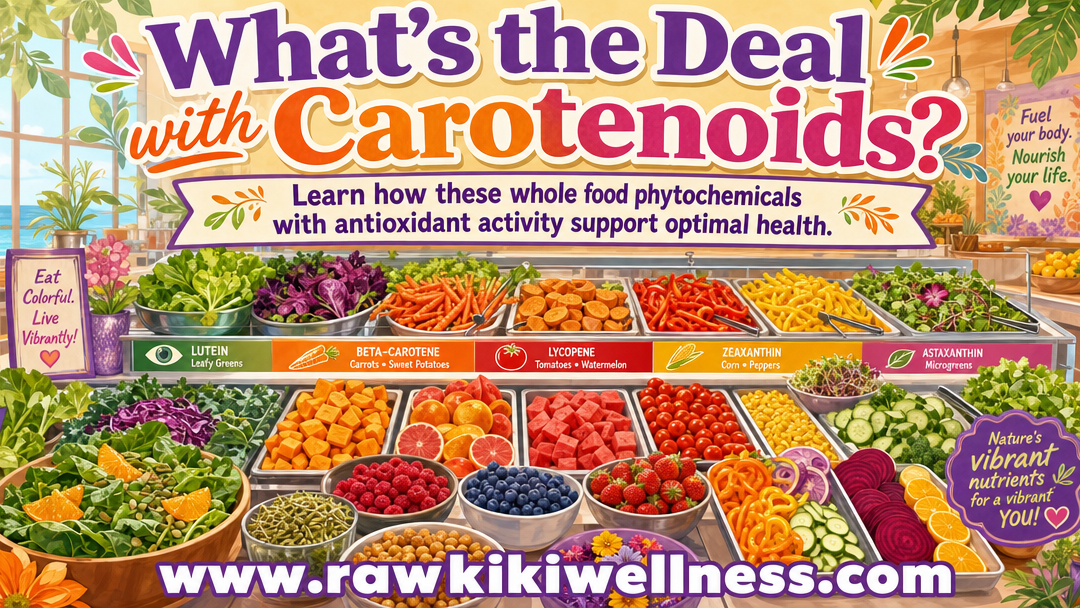
When antioxidants are discussed, you may hear the term carotenoids, which are naturally occurring pigments found in most fruits, vegetables, and other plants with strong antioxidant activity. As we can’t create carotenoids in our own bodies, we must consume them in food or supplements.
As one medical study noted, carotenoids have a range of functions in human health. They primarily exert antioxidant effects, but individual carotenoids may also act through other mechanisms.
There is evidence that carotenoids, in addition to beneficial effects on eye health, also produce improvements in cognitive function and cardiovascular health, and may help to prevent some types of cancer.
While more research is needed, it should be noted that large population-based studies on the health benefits of carotenoids producing mixed results have largely been based on supplementation, as opposed to consuming fresh whole foods.
The best natural sources of specific carotenoids, varied by pigment type, include:
Beta-Carotene is highly concentrated in orange and yellow pigmented foods such as carrots, sweet potatoes, and winter squash.
Lutein and zeaxanthin for eye and brain health are found in kale, spinach, and other dark green leafy vegetables.
Lycopene is the red pigments abundant in tomatoes, watermelon, red bell peppers, and red grapefruit. Lycopene is uniquely enhanced by heat.
Beta-Cryptoxanthin resides in orange and red fruits such as mangoes, papayas, tangerines, and oranges.
Raw Kiki Wellness Newsletter: Your Healthy Life.
Unlock the secrets to vibrant living with Raw Kiki Wellness—subscribe to "Your Healthy Life Newsletter" and transform your wellness journey today! 🌿✨
