
If you deal with pain that feels unrelenting, day in and day out, you understand chronic pain, which, according to the American Society of Anesthesiologists, it is defined as ongoing pain that lasts for more than three to six months, or past the normal time it takes an injury to heal.
Unlike short-term pain that goes away, chronic pain stays and can happen in any part of the body. You may know that this kind of constant pain goes hand in hand with chronic inflammation in the body.
If you read Inflammation−Defined, you know that inflammation occurs when your immune system perceives a threat, such as an infection or injury. The immune system snaps into action to send immune cells to fight invading microbes or promote healing of injured tissue.
Unlike acute inflammation, which tends to be localized at the site of infection or injury, chronic inflammation is systemic. This continual state of inflammation drives many chronic conditions, including cardiovascular and metabolic disorders.
A metabolic disorder happens when abnormal chemical reactions in the body disrupt the conversion of food into energy. This disruption leads to either a harmful buildup of certain substances or a shortage of essential nutrients.
So where does food come in? It turns out that what we eat can play a significant role in determining the levels of inflammation in the body. That’s because some foods soothe and heal systemic inflammation while others cause or exacerbate it.
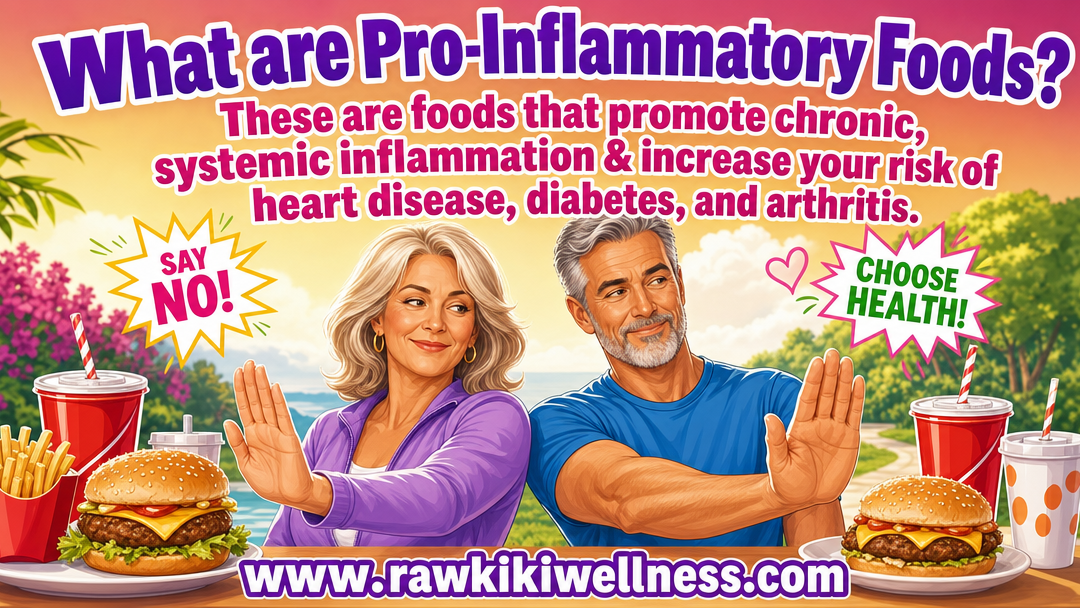
Foods that promote chronic, systemic inflammation while increasing your risk of health issues like heart disease, diabetes, and arthritis are pro-inflammatory foods, which include:
Highly processed foods – These industrial formulations, largely consist of sugars, fats/oils, and refined starches as well as artificial flavors, colors, and preservatives.
Saturated fats – These dangerous fats are found almost entirely in animal foods, such as meat, poultry, and cow’s milk products.
Refined carbs – These are found in white flour baked goods, white rice, and traditional pasta. Due to their lack of healthy fiber, they may cause rapid blood sugar spikes and promote a proinflammatory response.
Sugary beverages – These include commercial sodas, sports drinks, processed juices, tea drinks, and all other sugar sweetened drinks.
Processed meats – Along with driving inflammation, items like bacon, sausages, hot dogs, and deli meats are classified as Group 1 carcinogens by the World Health Organization.
Deep-fried foods – Choices such as French fries, donuts, fried chicken, and oily/battered item sand donuts) promote oxidative stress and inflammation.
Trans fats/dangerous oils – Highly processed oils like margarine, shortening/lard, and cheap vegetable oils like corn and soybean oils are associated with higher inflammatory markers.
Raw Kiki Wellness Newsletter: Your Healthy Life.
Unlock the secrets to vibrant living with Raw Kiki Wellness—subscribe to "Your Healthy Life Newsletter" and transform your wellness journey today! 🌿✨
