
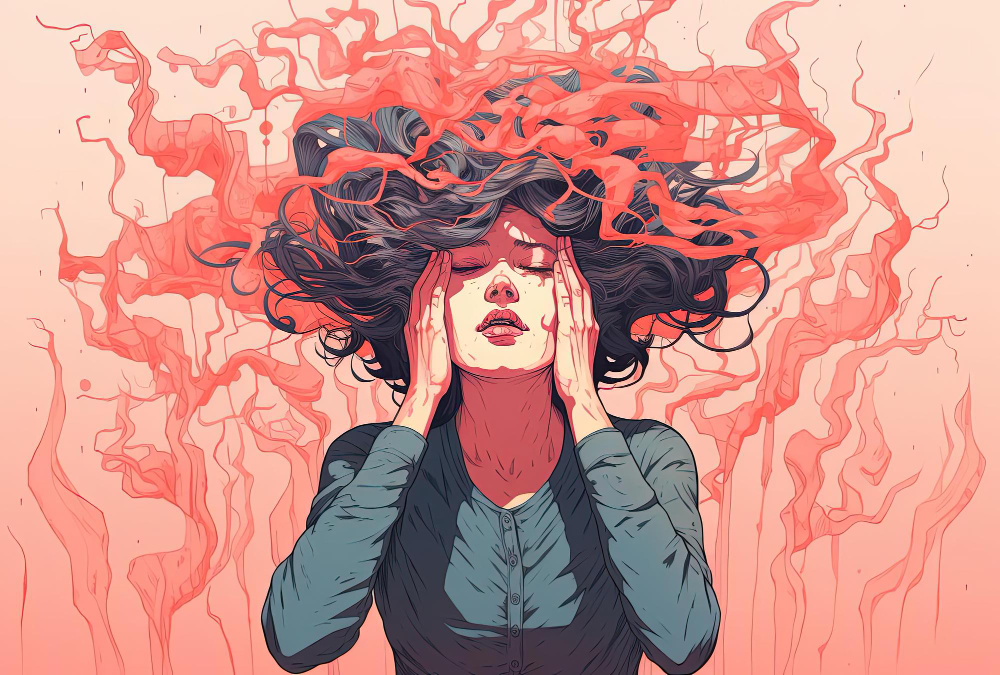
As we know from Chronic Stress−Defined, stress is the body and brain’s natural physical, mental, and emotional response to demands, challenges, or perceived threats. Stressors trigger a “fight-or-flight” reaction, releasing hormones like adrenaline and cortisol that increase heart rate and blood pressure to help you cope with whatever you’re facing. Here are 6 harms of unrelenting long-term stress:
Cardiovascular issues – When we experience chronic, sustained stress, our body releases stress hormone cortisol and adrenaline which increases blood pressure and heart rate, potentially damaging arteries and accelerating the risk of heart disease and stroke.
Immune impairment – Chronic stress suppresses immune function, making you more vulnerable to infections and illness, with slower recovery times. It also accelerates cortisol levels through the Hypothalamic-Pituitary-Adrenal (HPA) axis, the body’s primary neuroendocrine stress response system, linking the brain (hypothalamus/pituitary) to the endocrine system (adrenals) to manage stress.
Immune dysregulation – This stress-induced malfunction occurs with chronic stress, when the immune system In unable to properly control its responses, resulting in chronic inflammation, autoimmunity, or immunodeficiency. This uncontrolled, unbalanced immune reaction often leads to tissue damage, infections, or excessive immune cell proliferation.
Mental health issues – As chronic stress is directly linked to anxiety, depression, and cognitive impairments like memory loss, it can create structural changes in the brain, such as reduced volume in certain areas, which in turn may affect healthy emotional regulation. Emotional dysregulation makes it difficult to properly manage your emotional responses, resulting in a damaging cycle of anxiety, impulsiveness, and diminished resilience.
Metabolic & gut health issues – The mind-body connection is well illustrated by stress related physical problems. For example, your digestive system is inhabited by millions of bacteria which can influence both gut and brain health. Chronic psychological stress can demonstrably increase your risk of weight gain, ulcers, irritable bowel syndrome (IBS), and insulin resistance, which sets the stage for Type 2 diabetes.
Musculoskeletal & reproductive challenges – Tension from unmitigated stress promotes muscle pain and stiffness, headaches, and migraines. Chronic stress may also significantly reduce libido, impair fertility, and disrupt reproductive cycles by triggering high levels of cortisol and adrenaline, which interfere with reproductive hormones like estrogen, progesterone, and testosterone. It can cause irregular or missed periods, delayed ovulation, lower sperm counts, and reduced sperm motility.
Raw Kiki Wellness Newsletter: Your Healthy Life.
Unlock the secrets to vibrant living with Raw Kiki Wellness—subscribe to "Your Healthy Life Newsletter" and transform your wellness journey today! 🌿✨
