
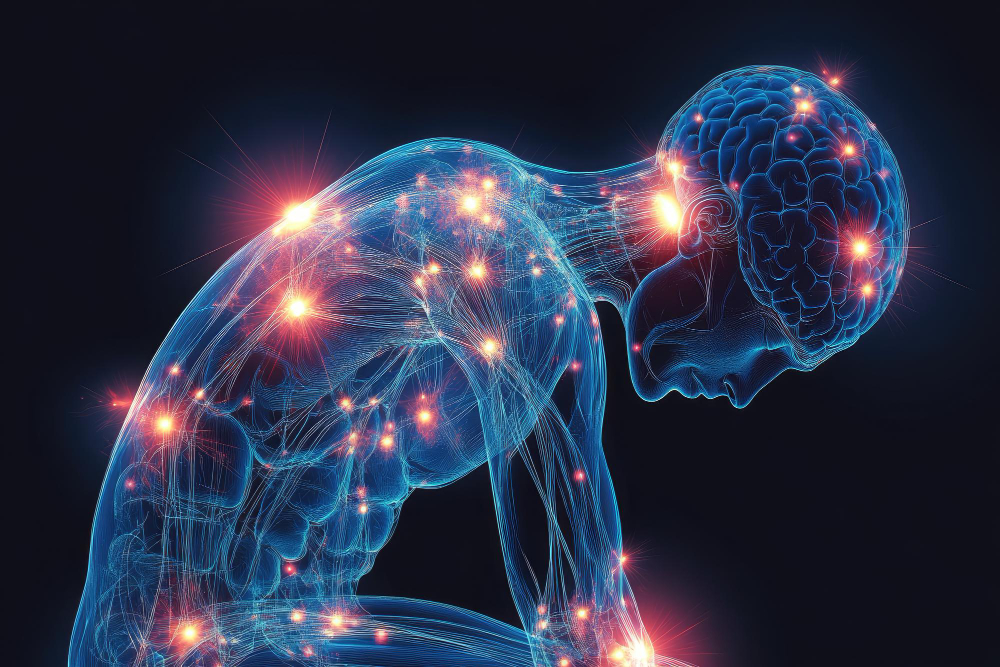
If you read Inflammation−Defined, you have a general sense of this all-too-common condition. However, you may not have realized there are other, more specific kinds of chronic inflammation in the body.
One of these is neuroinflammation, which refers to inflammation within the central nervous system (CNS), which includes the brain and spinal cord.
Neuroinflammation is primarily facilitated by what are called glial cells. Also called neuroglia, glial cells are non-neuronal cells in the nervous system that provide essential support, protection, and maintenance for neurons.
Glial cells form the structural “glue” of the brain, insulate neurons with myelin, regulate the chemical environment, remove waste, and defend against pathogens.
These cells also release cytokines, chemokines, reactive oxygen species (ROS), and other signaling molecules in response to injury, infection, toxins, or autoimmune triggers, initiating an immune response to protect neural tissue and promote repair.
Acute neuroinflammation occurs immediately after injury or infection and is typically short-lived. Chronic neuroinflammation, on the other hand, is a sustained activation of glial cells which escort immune cells into the CNS.
This prolonged inflammation can lead to tissue damage, neuronal dysfunction, and impaired regeneration, contributing to neurodegenerative diseases like Alzheimer’s or Parkinson’s, among others.
Raw Kiki Wellness Newsletter: Your Healthy Life.
Unlock the secrets to vibrant living with Raw Kiki Wellness—subscribe to "Your Healthy Life Newsletter" and transform your wellness journey today! 🌿✨
