
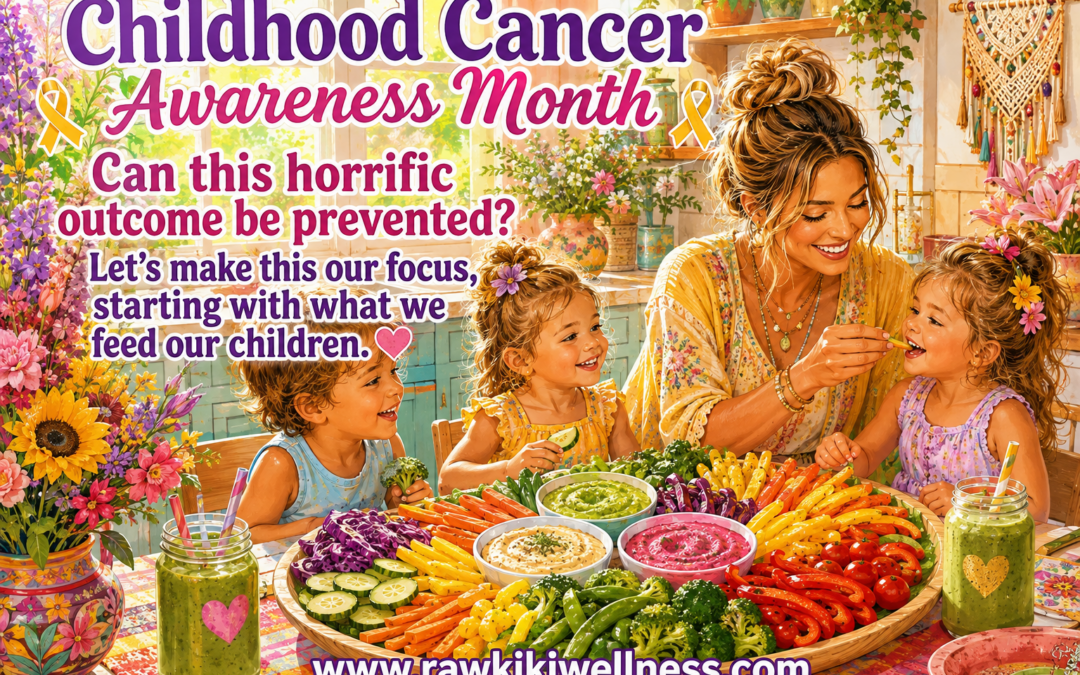
Few health issues are as horrific as childhood cancer. Naturally, we should be doing all we can to prevent this terrible outcome. The question is, can cancer in children be prevented?
A study in the medical journal Pediatrics entitled Opportunities During Early Life for Cancer Prevention: Highlights From a Series of Virtual Meetings with Experts addressed this topic, suggesting that early life exposures impact lifetime cancer risk. Here are 5 areas in which we can help children avoid this terrible disease:
Offer whole food, plant-based meals & snacks
Research suggests that what we eat plays a significant role in our ability to avoid many forms of cancer. A nutrient-dense, plant-focused diet early in life helps reduce overall cancer risk and builds long-term cellular health. When it comes to anti-cancer meals and snacks, emphasize:
Brightly hued produce, including purple cabbage, strawberries, blueberries, apricots, carrots, and tomatoes for vital antioxidants (like lycopene and beta-carotene) helps fight cellular inflammation, which in turn drives cancer.
Cruciferous veggies such as broccoli, cauliflower, and Brussels sprouts contain sulforaphane, a heavily studied compound that protects cells from damage that could lead to cancer.
Foods like spinach, lentils, and chickpeas which are rich in folate have been linked to a lower risk of childhood leukemia and brain tumors. Intact, unrefined grains and high protein seeds like whole oats, brown rice, wild rice, quinoa, and breads with complete grains offer vital nutrients and fiber to maintain a healthy gut microbiome and support a normal weight for kids.
Healthy fats from whole foods are crucial for growing bodies. Think avocado, walnuts, almonds, pecans, Brazil nuts, and sunflower, pumpkin, chia, and hemp seeds. Always serve fresh raw nuts to ensure healthy nutrients and oils remain intact and undamaged.
Be cautious with the sun
Just a few serious sunburns can increase children’s risk of skin cancer later in life. To protect their skin from the sun, teach your kids to avoid direct sun−especially between 10AM-3PM−unless they are wearing a hat and sunglasses and are also armed with a fresh layer of sunscreen (SPF 30) on any portion of their skin that’s exposed to the sun. Sunburns commonly occur when sunscreen wears off, so reapply often when kids are in peak sun.
Vaccinate kids against HPV
The HPV vaccine protects against the types of HPV that most commonly cause cancer. Human papillomavirus (HPV) is a common virus that is passed from one person to another during sex. It can cause cervical and other kinds of cancer.
Some cancers of the vulva, vagina, penis, anus, and oral/throat are caused by HPV. All preteens should get vaccinated when they are 11 or 12 years old. Teenagers and young adults through age 26 who haven’t started or finished the HPV vaccine series should get vaccinated as soon as possible. HPV vaccination can be given starting at age 9.
Help your children stay active
Childhood obesity is linked to a higher risk of developing several types of cancer later in life. More specifically, as one study noted, excess weight during childhood and adolescence contributes to long-term physical changes and biological processes that can lead to adult malignancies. Excess fat tissue also causes ongoing, low-grade body inflammation, which can damage cells over time.
Fortunately, researchers also found that efforts to prevent obesity can reduce the burden of cancer in adulthood in addition to its short-term beneficial effects. The key is helping kids stay active. The amount of physical activity children need depends on how old they are. Children who are 3 to 5 years old should be active throughout the day. Older children and teens should be active for at least an hour a day.
Ensure kids avoid tobacco
Nearly 9 out of 10 adults who smoke cigarettes daily first try smoking by age 18. Each day in the United States, about 1,600 youth smoke their first cigarette. In 2021, about 1 of every 3 high school students said they had tried a tobacco product. Talk to your children often about the addictive nature of tobacco products and the grisly health outcomes associated with smoking.
Note as well that secondhand smoke can cause serious health problems in children and adults, including lung cancer in adults who never smoked. So, by all means protect your children from secondhand smoke. For help quitting, visit smokefree.gov.
Raw Kiki Wellness Newsletter: Your Healthy Life.
Unlock the secrets to vibrant living with Raw Kiki Wellness—subscribe to "Your Healthy Life Newsletter" and transform your wellness journey today! 🌿✨
