
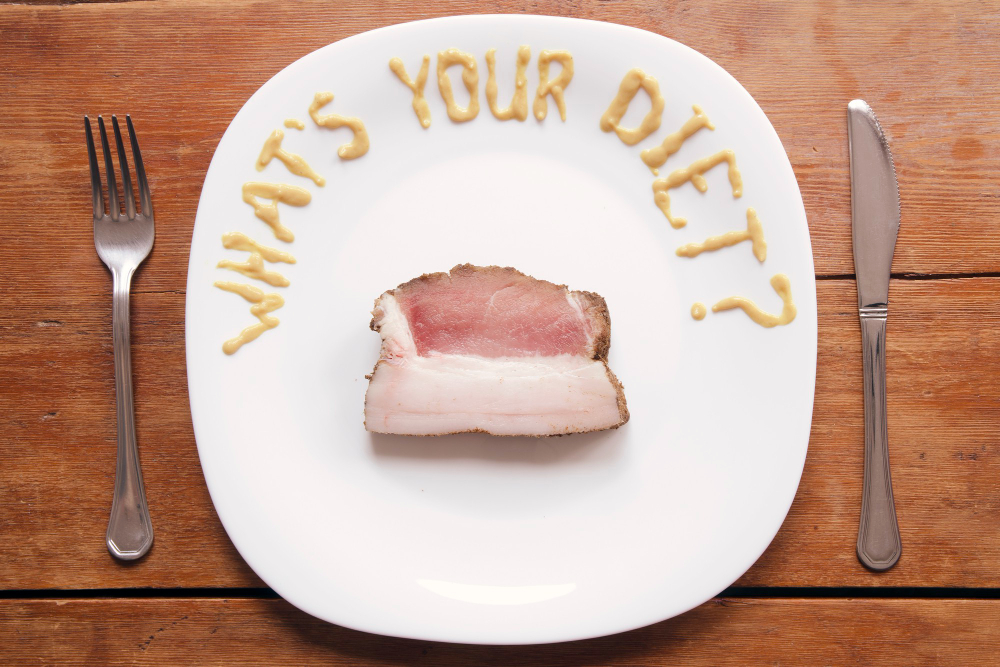
You have probably heard countless health claims about the keto diet in recent years, begging the question, does incorrect information become true with enough repetition? It would appear so, given the popularity of this scientifically dubious approach.
What could be more counterintuitive than a diet that deliberately excludes the healthiest foods we can eat − complex carbohydrates − replacing them with foods that have been positively linked to heart disease, Type 2 diabetes, auto-immune disorders, and cancer?
The ketogenic diet works by drastically reducing carbohydrate intake to force the body into ketosis, a metabolic state in which your liver converts fat into ketones for energy instead of relying on glucose. A typical keto diet consists of 70–80% fat, 10–20% protein, and only 5–10% carbohydrates.
Keto menus run counter to natural wellness by severely restricting the healthiest foods according to our best science − fresh fruit, vegetables, whole grains, beans, and legumes. Cutting out vital food groups is a clear path to nutrient deficiencies, and followers may fall dangerously short of essential vitamins, minerals, and trace elements, including A, E, B6, folate, calcium, and potassium.
Also, as keto foods are primary sources of dangerous saturated fat and cholesterol, this diet can cause serious, long-term health issues beyond initial “keto flu” side effects, including kidney stones, severe nutrient deficiencies, and increased “bad” LDL cholesterol, which may double the risk of cardiovascular events. Keto menus may also lead to fatty liver, glucose intolerance, constipation, and social/eating disorders.
Keto approved foods are devoid of dietary fiber, which places followers at risk of severe constipation while also potentially altering the gut microbiome in negative ways. They may also experience symptoms of short-term “keto flu,” including dizziness and fatigue.
The keto diet has also been scientifically proven to negatively impact bone health by increasing bone breakdown, reducing bone formation, and causing nutrient deficiencies, potentially leading to weakened bones or osteopenia. This occurs because the diet can create a chronic acidic state that triggers the skeleton to release minerals to buffer acids. Stay tuned for more information on this topic.
Raw Kiki Wellness Newsletter: Your Healthy Life.
Unlock the secrets to vibrant living with Raw Kiki Wellness—subscribe to "Your Healthy Life Newsletter" and transform your wellness journey today! 🌿✨
