
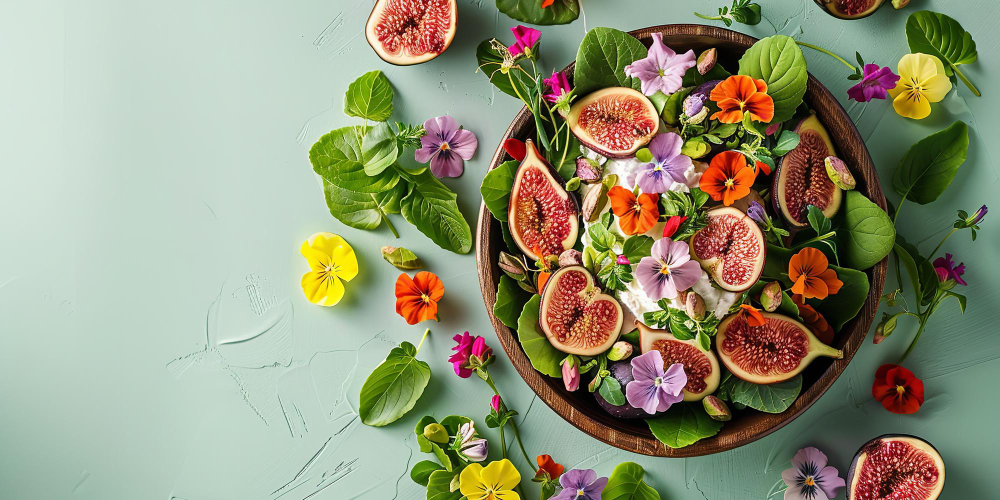
After reading What Are Sattvic Foods, you know that in yoga philosophy, a compassionate, plant-based diet supports the ethic of “sattva,” which is a state of love, awareness, connection, and peace with all sentient beings.
The basis for sattva is the concept of ahimsa. If you read Ahimsa−Defined, you know this refers to a lifestyle free of violence or harm to any living creature. So what specific foods comprise a sattvic or “Good Karma” daily menu? Your options for deliciously healthy “do no harm” foods abound, including:
Fresh fruits and veggies and their juices – Along with salads, fruit plates, stir fry’s, casseroles and other entrées, you might consider a revitalizing fresh grapefruit-lime-tangerine juice within your day, or maybe an energizing spinach-beet-carrot blend. Fresh fruit makes a perfect between meal or late night snack as well
Beans and legumes – There are so many ways to enjoy these foods, which are loaded with nutrients, antioxidants, fiber, and phytochemicals. Your options include black, white, kidney, and pinto beans as well as legumes like lentils, split peas, and more. Keep a batch of cooked beans on hand for salads, soups, stews, and sides. Legumes cook much faster, so they are ideal for quick, hearty soups.
Whole grains – These include brown and wild rice, millet, farro, oats and ke quinoa−which is a high-protein seed rather than a grain. and oats. Enjoy them in pilafs and entrées, built into hearty salads, or rise and shine with a tasty batch of overnight oats.
Raw nuts – Think almonds, pecans, walnuts, Brazil nuts, and pistachios. Avoid roasted nuts, as heat changes their structure and chemical composition, making them more susceptible to oxidation. Rich in healthy fats, vitamins, minerals, protein, fiber, antioxidants and phytochemicals, nuts are ideal for nut/seed milk, in salads, and over soups, stews, and other entrées.
Raw seeds – Consider pumpkin, flax, sunflower, chia, and hempseeds—which are a perfect source of complete, plant-based protein. As with nuts, choose raw/unroasted seeds for optimal benefits such as protein, fiber, healthy fats, vitamins, minerals, antioxidants and phytochemicals. These also make fabulous plant-based milks, alone or in combination with nuts. Sprinkle them over sweet and savory foods alike for tasty, nutritious crunch!
Sprouts of all kinds – You can sprout most plant-foods, including nuts, seeds, beans and grains. You start the process simply by soaking overnight and draining. Then, rinse twice daily until a tiny tail emerges. Protein-rich sprouts—bursting with live enzymes—are nutritional rock stars. They’re fiber-dense, contain few calories, and offer a plethora of vitamins and minerals. Enjoy them in salads, soups, sandwiches and entrées.
Cultured foods – Check out Cultured Foods−Defined to get familiar with these amazing items. Next, you might view The Health Benefits of Cultured Foods. Examples of these beautifully healthy, immune holstering foods include kimchee, miso, sauerkraut, kombucha, plant-based yogurt, etc.
Herbs and spices – These treasures promote healthy digestion, alkalize the blood, support natural healing, and add tremendous flavor to meals. They also contain more antioxidants than virtually any food, based on their ORAC value. The ORAC (Oxygen Radical Absorbance Capacity) scale measures the antioxidant content in foods. ORAC superstars include turmeric, oregano, rosemary, cinnamon, and cloves−which contain 22 times more antioxidants than blueberries!
Raw Kiki Wellness Newsletter: Your Healthy Life.
Unlock the secrets to vibrant living with Raw Kiki Wellness—subscribe to "Your Healthy Life Newsletter" and transform your wellness journey today! 🌿✨
